
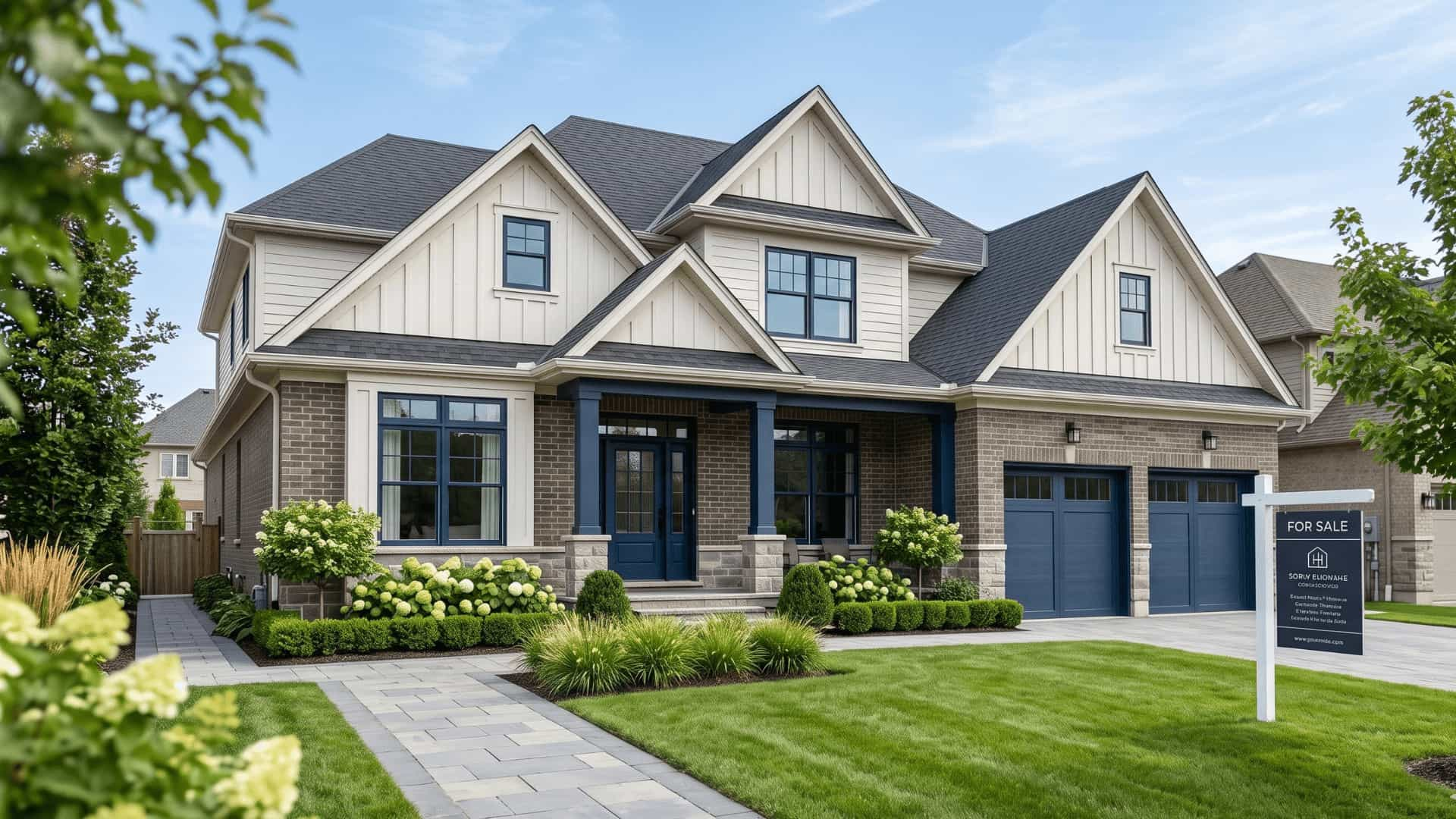
Selling a house as-is has become a strategic option for US homeowners who need rapid liquidity or want to avoid the complexity of major renovations. But the as-is designation is widely misunderstood. The most critical mistake sellers make is assuming it works as an absolute legal shield one that lets them skip disclosures or conceal known defects.
Federal and state law impose transparency obligations, and ignoring them can expose sellers to civil liability for fraud, concealment or breach of contract. This guide covers what selling as-is means, what you still have to disclose, how inspections still apply, and how to get the best cash offer.
What does selling a house “As-Is” mean?
What does selling a house as-is mean in contractual terms? The buyer agrees to purchase the property in its current physical condition, accepting full financial responsibility for any repairs, latent defects, or structural updates it requires. The seller explicitly states they will not make improvements or grant closing credits for future work.
This agreement is embedded in state-specific purchase contracts:
- California: The C.A.R. Residential Purchase Agreement (RPA) specifies the property is delivered in its condition at the time of offer acceptance. The seller must maintain — not improve — that condition through closing.
- Florida: The FAR/BAR “AS IS” Residential Contract for Sale and Purchase makes clear the seller has zero repair obligations, but the buyer retains full inspection rights and may cancel for any reason during the due-diligence period, receiving their earnest money deposit back in full.
Pros and cons of selling a house As-Is
Understanding the pros and cons of selling a house as-is is essential before committing to this route.
Key advantages
- Speed: No renovation coordination, permits, or capital outlay. The marketing preparation phase is essentially zero.
- Cash buyer appeal: As-is properties attract portfolio investors and flippers who operate with cash, eliminating financing contingencies and appraisal delays.
- Reduced transaction friction: Fewer showings, open houses, and post-inspection renegotiations.
Key disadvantages
- Mandatory price discount: Traditional move-in-ready buyers typically avoid as-is listings, which narrows the buyer pool and weakens your negotiating position.
- Severe investor discounting: Professional buyers apply mathematical formulas — detailed in the offer strategy section below — that can produce offers well below market potential.
- FHA and VA loan barriers: Federal loan programs require that certain deficiencies be remedied before funds are disbursed, making it difficult for financed buyers to purchase distressed properties.
At a glance comparison: MLS As-Is vs direct cash buyer
The table below outlines the key transaction differences between listing as-is on the open market versus selling directly to a private investor.
| Dimension | MLS As-Is Listing (Open Market) | Direct Cash Buyer / Investor |
|---|---|---|
| Market Exposure | Maximum visibility via MLS portals; reaches both retail buyers and investors. | Private, off-market transaction aimed at a single institutional or professional buyer. |
| Price Determination | Higher chance of multiple offers; competitive bidding can push the price up in desirable markets. | Fixed offer based on profitability models — typically below peak market value. |
| Closing Timeline | 60–90 days; depends on buyer mortgage approval and appraisal. | 7–21 days; no financing contingencies or lender requirements. |
| Loan Contingencies | High uncertainty; FHA/VA or conventional lenders may require repairs before funding. | None — all-cash purchase eliminates mortgage denial risk. |
| Agent Commissions | Buyer & seller agents: typically 5–6% of sale price. | No agent commissions; buyer commonly covers title and escrow costs. |
| Prep Effort | Property must be accessible for showings, open houses, and multiple inspections. | Zero prep needed; no staging, deep cleaning, or vacating belongings. |
Do you still need a home inspection when selling As-Is?
Declaring a property as-is does not remove the buyer’s right to a professional inspection. Most open-market as-is contracts still include a due-diligence period in which an inspector checks the structure, roof, plumbing, electrical, HVAC and interior. Cash investors usually inspect too, so expect them to price in anything they find.
Legal disclosure requirements for As-Is sales
As the Legal Information Institute (Cornell) formally defines it, full disclosure in real estate transactions requires both parties to reveal all material facts that directly affect a property’s value or habitability. A material defect is one that would have a significant adverse impact on market value, or represents an unreasonable risk to the future occupants’ safety and health.
The shift away from caveat emptor
Courts have moved away from the old “buyer beware” doctrine. Even in states that historically leaned that way, sellers generally cannot hide known problems:
- Sellers must disclose any safety risk not observable by a reasonable visual inspection.
- Sellers must answer all direct buyer questions truthfully.
- Active concealment — such as painting over water damage or patching foundation cracks cosmetically — is classified as civil fraud, voiding any contractual liability waiver and exposing the seller to serious legal penalties.
State by state disclosure overview
- California: Civil Code § 1102 requires a Transfer Disclosure Statement for most residential sales, and an as-is clause does not cancel that duty.
- Florida: under Johnson v. Davis, sellers must disclose known facts that materially affect value, even if the buyer does not ask. An as-is contract does not change that.
- Other states: requirements differ widely, so ask a local real estate attorney or agent which forms apply to you.
How to get the highest cash offer for an as-is property
Tactics to drive offers higher
- Create competitive tension: Never negotiate with a single buyer. Solicit simultaneous offers from multiple reputable companies that buy houses for cash. Competing bids pressure buyers to compress their profit margin expectations.
- Reduce uncertainty with documentation: Investors discount heavily for unknown risk. A pre-listing structural inspection report and signed contractor bids eliminate their need to build a contingency buffer into their rehab estimate — directly raising their opening offer.
- Leverage the inherited property advantage: For inherited houses where beneficiaries live out of state and want to avoid ongoing maintenance and estate tax costs, presenting clean title documentation and enabling rapid-access inspections can accelerate institutional decision-making significantly.
- Anchor with market data: Obtain a formal cash home buyers evaluation to establish a defensible ARV baseline. This allows you to evaluate direct offers against real comparable data — rather than accepting a buyer’s self-serving rehab cost projections.
- Verify financial capacity: Before signing any purchase agreement, require official proof of funds (POF) from companies that buy houses for cash. This screens out wholesalers who intend to assign the contract and lack the actual capital to close.
Repair first or sell as-is?
Retail buyers tend to overestimate repair costs and ask for credits larger than a contractor would charge. Investors do the opposite: they deduct the full repair cost plus a margin for risk. Before choosing, get two or three contractor bids for the big items (roof, foundation, HVAC, electrical, plumbing, mold) and compare the total with the discount buyers are asking for.
If the cost of fixing is clearly lower than the discount buyers demand, repairing before you list may pay off. If repairs are large, uncertain, or you cannot fund them, selling as-is to a cash buyer is usually the simpler route. Our cash offer vs. traditional listing guide shows how to compare the net numbers.
Not sure if repairs pay off? Try our as-is vs repair-and-list comparison and the cost of waiting calculator.